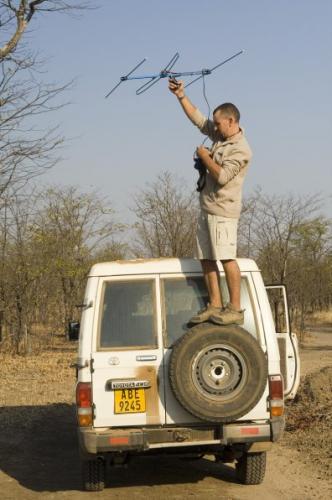
So many people love to see Wild dogs and spend a life time of safaris hoping to see them. Well Check out this message from our man Doug Macdonald in Zimbabwe:
" just back from Mana and its pumping down there, I now have two Wild dog pack dens on my GPS both full of puppies and another pack moving with puppies and also a Hyena den with puppies so all looking good."
We have set date safaris planned in 2012 & 2013 ( click here) and can easily arrange a trip just for you to visit mana Pools, may be staying at a combination of semi permanant camps and mobile bush camping. With great chance's to encounter Wild dogs on foot and on game drives, also fantastic Lions amongst lots more varied and interesting wildlife, all with Doug who is one of the very best guides in Zimbabwe and who knows Mana like few others.
Sunday, 19 August 2012
Thursday, 26 July 2012
Gorilla's Chimps & Incredible Wildlife. 2013 rates to Uganda & Rwanda now with low season discounts
The magnificent Gorillas Chimps and diverse wildlife of Uganda and Rwanda are a wildlife enthusiasts dream, offering so much more than you might expect. Our new low season rates will be applicable on all new bookings for our set date safaris and private safaris running in low season; 15th October to 15th December 2012 and 1st March to 31st May 2013.
Volcanoes Safaris prices include all the activities mentioned in the itinerary, your own expert Volcanoes guide and vehicle, accommodation and all meals and drinks. It is also worth noting that when you stay at a Volcanoes Lodge a complimentary massage and any activities you might wish to do after a days trekking Gorillas ! .
Check out our suggested safaris here and don't forget we can arrange everything we mention on dates to suit you or as a private departure for just you, your family or friends.
Tuesday, 24 July 2012
A completely Unique - Carnivore Research Safari - New date for 2013 book now
A completely unique safari experience that introduces you to the work of the Zambian Carnivore Program. (ZCP) has been operating in Zambia since 1998, carrying out conservation and research activities to conserve Zambia's populations of this highly endangered species. They started off with a focus on the highly endangered African wild dog but now expanded to all large carnivore species across Zambia through a variety of applied research activities, anti-poaching and habitat conservation work. The ZCP team is based with Nkwali camp and will accompany you on activities and share their work with you.
During this week, you will spend time with ZCP project manager Dr Matt Becker and his team. Activities will include tracking, learning about ecological survey techniques in the field including lion identification and prey surveys, attending lectures and visiting ZCP's education partner Chipembele Wildlife Centre. The schedule is flexible as the carnivores are unpredictable. At least one of the activities each day will be with the ZCP team. The safari gives you a chance to gain some exclusive insights into the ZCP conservation program. In addition to the above activities, you will also enjoy game drives and/or walking safaris in the park.Friday, 25 May 2012
New Set date safari (SOLD OUT) to Zambia's Kafue With Tony Mckeith.
Welcome to the wonderful Kafue national park in western Zambia. And our very popular 9 night safari. We Have just added a new date just at the end of the safari season when the bush is at it's most dramatic and the sky is full of great cumulus clouds.
Led through out by Tony Mckeith and also staying with Tyrone Mckeith at the beautiful Plains Camp. A chance to visit the Kafue with it's most experienced and passionate team.
We arrange this safari as a set date starting on 27th Oct or you can enjoy the itinerary on dates that suit you unescorted but with our assurance that everything is carefully planned for you from start to finish. Whether looked after by our colleagues in this collection of small privately owned safari camps or escorted throughout by one of our team who have a passion for the Kafue and great deal of safari experience in the region, they will ensure that you do not have anything to concern yourself with, apart from getting the best possible photos of the varied and interesting wildlife we aim to encounter on this unusual and interesting safari.
Wednesday, 16 May 2012
How to avoid single traveler supplement charges
Look for this symbol throughout our website to quickly identify the many safaris we offer which avoid extra charges for solo safari travellers.
We arrange many safaris for single travelers, and apart from working hard to avoid unreasonable extra charges we like to reassure solo travelers that their safari experience will not be a lonely one, the camps we use on the whole are small and pretty informal, where meals are taken together with the camp managers and other guests and where your guides will ensure that your interests are taken into consideration. Many of our solo traveling guests return year after year to enjoy our wildlife safaris for their interest and variety but also because of our seamless arrange
ments and reassurances.
Call and speak to one of our friendly team.
Can you spot the difference between night and day
Am I the only one who thinks that if a safari is described as 7 nights it should mean 7 nights on safari ? and not 4 nights on safari with 3 days traveling.... Well it turns out that some of the more financially motivated travel agents think you won't notice, well not before you have emotionally committed to the trip. I saw an hilarious example recently where day 1 described the journey from your home to the Airport - Followed by 4 nights (bearly time to unpack on safari) day 6 was spent getting back to the airport to catch the homeward flight and day 7 describes the homeward flight, landing and getting from the airport back home. Now apart from being boarder line rip off it shows just what they think of their customers. And you dont have to be an expert to guess you might even be paying the same as if you had been on safari for the full 7 nights. So before you think about that 7 night safari just count the days and ask your self what you are really getting. Tony.....
Wednesday, 22 February 2012
Mara Migration film camp This is a chance to use the camps and guiding expertise usually only available to film makers and photographers who want

-$2,100 ( £1,330 ) pp 2012 5 nights
Only operateing in Aug & Sept please contact us to book early.
Busanga safaris are delighted to be able to add to our list of unique safaris, having teamed up with a highly regarded specialist safari camp operator to provide our guests with the opportunity to visit the Maasai Mara at the height of the great migration. Camp is operated by a specialist safari operator with a vast amount of experience in the Mara, experts in running well planned and very comfortable safari camps for many TV and film companies such as BBC, NHK and Rai as well as pro photographers and film makers.
This is a chance to use the camps and guiding expertise usually only available to film makers and photographers who want an unfussy and practical base from which to explore the Mara away from the busier tourist trails.
As the herds of Wildebeest & Zebra move form the Southern Plains in the Serengeti to the Northern Plains in the Maasai Mara Game Reserve in search of pasture. The 'Northern Plains Mara Camp, a totally eco friendly mobile camp will be built up by the Mara River in the Mara Triangle and close to Kichwa Tembo airstrip in the heart of the great wildebeest migration route. Like the wildebeest this camp will only be here temporarily from August to very early September blending in to cause minimum impact on the surroundings and leaving no trace of having been there when camp is taken down in September.
The camp set up is a traditional comfortable mobile tented camp: with just 5 large walk-in tents with verandah area with small table and chairs. They are fully equipped with either double or twin beds, bedding, towels, side table, hurricane lanterns, torch, large dressing/working table, hot ‘bush’ shower and ‘short drop’ toilet ‘en suite’ and hand wash basin, mirror.
Meals are served in a spacious semi open mess tent with reading and relaxing area, dining and buffet area. They consist of full English breakfast, buffet lunch and three course diner in the evenings, prepared by highly skilled chef, and impeccably presented. There is a well stocked bar, tea and coffee are available at all times.
The small team in camp is run by owner managers Andres & Lorraine and has a small team of nature guide/game trackers who are based at camp, so are two fully safari prepared 4WD vehicles which make great platforms for guests to view and photo wildlife out on the plains. Typical days include early morning game drives, back to camp for breakfast followed an afternoon / evening game drive – if guests are in camp for several days there may be the opportunity for a bush breakfast or lunch or if you wish a long game drive to a far end of the park.
Notes:
It is possible to extend your visit to The North Plains camp with a visit to the Lewa Conservancy or to the coast at Lamu Island.
We can arrange bonded international flights to coincide with this safari.
Includes: Air Kenya return flights Nairobi Wilson – Kichwa Tembo – Nairobi Wilson. Accommodation and meals on full board basis. bottle water, soft drinks, beer, and table wines, game drives, airstrip transfers. park fees.
Wednesday, 15 February 2012
NEW safari to :DZANGA SANGHA C.A.R- Gorillas - Elephants. Busanga safaris lead the way with safe & well planned safaris to the Congo basin
$7,610 ( £4,837 )pp per person sharing based on min 2 guests
$7,100 ( £4,513 )pp Per person sharing based on 3 + guests,
Single supplement of $570 ( £362 )
If the mysterious tropical forests of Africa fascinate you then this is the expedition for you, a journey into the untouched rain forests of Central Africa. This vast region, spanning three countries sparsely populated with Bantu tribes and nomadic groups of Pygmies will not disappoint the adventurer and wildlife lover.
You will be traveling in four by four wheel drive vehicles, in motorized pirogues, in dugout Pirogues powered by Pygmy and Bantu tribesmen, and on foot into the remotest parts of the jungle, and yet surprisingly the accommodation will be comfortable with private bathroom facilities and cold drinks throughout the time. You will enter a pristine region full of wildlife, including Gorillas, Chimpanzees, Elephants, and many of the smaller primates, small mammals, forest birds, and a wealth of flora.
We spend time watching elephants and other animals from the comfort of a mirador [A large covered viewing platform] at the famous Dzanga Bai.
We trek to see Gorillas on foot with Pygmy trackers. We have an opportunity to spend a day with the Pygmies starting early in the morning with a net hunt, followed by a lesson in medicinal and food plants of the forest, hut building and perhaps food preparation by some fascinating Pygmy woman.
ITINERARY
Day 1: The tour begins in Bangui, the capital of the Central African Republic, where you will be met at the airport and transferred to our hotel.
Day 2: a long travel day; After an early breakfast, you head south for the Dzanga- Sangha Special Reserve where you will spend the next 9 nights. [B,L,D]
Dzanga-Sangha is the northern section of the north-western Congo Basin. In the reserve are large populations of Forest Elephant, Lowland gorillas, 16 of the country's primate species (such as De Brazza's Monkey with its distinctive white beard), hundreds of bird species, reptiles, frogs etc. you visit a village of the Ba'aka pygmies and if you want, you can join them in a hunt for food into the forests. The woman will share some traditional knowledge of the plants and you learn about their lifestyle in the forest. The WWF works with the Ba'aka in establishing conservation, education and health programs in the area. The next few days, may be spent visiting Dzanga Bai, tracking lowland gorillas and hunting with the Ba'aka. Our program will remain flexible as the logistics often dictate but should run closely along these lines:
Day 3: Gorilla tracking. Today you head down to Bai Hokou where you will spend time tracking a group of Western Lowland Gorillas. Dzangha Sangha and its neighbor in Congo Nouabale-Ndoki National Park are the only places in the world where you can find habituated Lowland Gorillas. [B,L,D]
Day 4: Visit to Dzanga Bai. A large mineral rich clearing in the middle of the rainforest where forest elephants gather in large numbers to indulge in drinking the mineral rich waters that bubble up in places in this Bai. The interaction between so many different groups of Forest elephants ensure that no one can ever get bored at this place, while the possibility of some of the other normally shy forest creature like Bongo, Giant Forest Hog, Red River Hog, Sitatunga and Forest Buffalos visiting the Bai keep us alert. [B,L,D]
Day 5. Today you head out with a group of Ba'aka net hunters as they go about their daily hunter-gatherer lifestyle. It is fascinating and a joy in itself to see how well adapted and comfortable the Ba'aka are in the forest while you may find it overwhelming and almost intimidating. You will be shown several of their medicinal plants while the hunt goes along in the background, and the excited cheers will alert us if they do catch something. THIS ACTIVITY IS NOT CONTRIVED AND THE HUNTERS ARE THERE TO CATCH THEIR FOOD SO PLEASE BE AWARE THAT SOME ANIMALS MAY BE KILLED DURING THIS TIME. [B,L,D]
Day 6. River activities and trekking. Heading upriver by boat you will hike to a series of waterfalls in the area. These will take us through the best examples of prime rainforest that you would ever see. Apart from the amazingly beautiful waterfalls, you will see some of the most spectacular trees imaginable. Climbing to the top of the falls will provide vistas over the canopy of the forest while the possibility of seeing the extremely rare and endangered Grey-necked Rock fowl will excite any birders. [B,L,D]
In the evening you may do a night walk near the lodge with the hope of finding some of the more elusive nocturnal animals such as Potto, Thomas's Galago, Tree Pangolin, African Palm Civet, Frazer's Eagle Owl, Vermiculated Fishing Owl and several more.
Day 7. Back into the park today with picnic lunches and you will do a walk around a series of clearings in the forest. The chance of finding buffalos, elephants and several monkey species on this trek are good. You will also visit a group of habituated monkeys called Agile Mangabey and spend some time photographing their interesting antics. [B,L,D]
Day 8. & 9: Leisure days for optional activities, you have these days for optional activities∑.These can range from repeating any of the earlier activities done at Sangha lodge such as Gorilla tracking, or visits to the Dzangha Bai, or alternatively just relaxing or walking on the several hikes you have laid out in the forest around the lodge. NO OPTIONAL EXTRA ACTIVITIES ARE INCLUDED IN THE TOUR COSTS. [B,L,D]
Day 10: Today we catch a flight back to Bangui where the tour ends.
Day 11: day at leisure, Depart for home.
Includes :
1 gorilla tracking permit per person.
All park entrances and costs for activities mentioned in the program
All accommodation
All meals as mentioned in the program.
Excludes :
International flights , which we can arrange for you
Extra gorilla permits
Drinks (Bar)
Laundry
Tipping
Meals in Bangui
Visa’s
Notes: The option of flying in or out via a charter is available at the cost of around £2650 per flight.[8 pax]. The tour cost above requires 2 guests. This is Africa and this itinerary can be subject to changes.
PHOTO SAFARIS - small groups and suitable for all levels,
A wildlife photographic safari to Zambia's beautiful Luangwa Valley, home to varied and interesting wildlife and spectacular birds. Staying in a combination of luxury safari lodge and rustic bush camps with a small group of people with similar interests in wildlife and photography. What could be better?
Your guide Drew Burnett is an accomplished professional wildlife photographer (www.wildeyephotos.co.uk), is delighted to be able to introduce a small number of guests to his favorite African wildlife destination. Drew will be leading just two safaris during sept/Oct 2012, Suitable for photographers of all experience levels. these are small group safaris with just a maximum of 6 guests to ensure clients have the time and space to get the most from there experience. Drew will help you build your photographic knowledge and assist in getting those perfect wildlife shots.
Tuesday, 11 October 2011
Busanga Safaris are ATOL bonded, that means complete financial security.
Friday, 2 September 2011
A great Green Season safari idea, for when costs are low, and the bush is full of life.
This 7 day safari combines Luangwa River Camp, Nsefu and Nkwali, and Camps.
"The Luangwa Valley is at its most dramatic in the Emerald Season, with the Luangwa River now flowing over into the brimming lagoons. Boating into these lagoons, flooded ebony groves and flowing channels gives you a view of the Valley which is normally inaccessible during this season". Take a look at further photos and details.
The Luangwa River is one of the last remaining major rivers in Africa, and even in the world, that has not been damned for hydropower. This vast river still annually rises, floods into lagoons and channels, changes course and resulting in new lagoons and in so doing creates an rich flood plain river system. To be in the heart of the park, at peak flood time, staying at the first camp built in Zambia (1951) with the river being your only access, is quite an experience.
At Luangwa River Camp and Nkwali you will drive, walk and boat. Most of the game in this area remains resident all year and so the game viewing is always excellent and hopefully you will see wild dog as it is the season for our top viewing season for the dogs. A relaxed boat up or down the Luangwa River will be your transfer to and from Nsefu, bird watching and game viewing on the way.
At Nsefu the emphasis will be on exploring the flooded ebony groves and lagoon systems, flowing channels and tributaries by boat. There will also be excellent walking, including a boat and walking combination to reach one of southern Africa's largest yellow billed stork colonies in full action.
Itinerary Luangwa River Camp 2 nights, Nsefu 3 nights and Nkwali 2 nights
Transfers By boat Luangwa River Camp/Nkwali/Nsefu - Mon, Thurs and Sat only
IncludedAll safari costs (activities, national park fees, bar and laundry),
airport transfer from Mfuwe Airport.
Not IncludedFlights, airport taxes and visa.
Rate $3250 per person sharing
Single supplement US$1046 per night
Valid Between 22 Jan – 31 March 2012
Call or email for more details or click the link to see photos
Saturday, 20 August 2011
HELLO FROM THE BUSH . OUR LATEST NEWSLETTER
Hello from the bush ...... Zambia feature
Interesting, varied, dramatic, exciting, beautiful, all words which describe the wildlife of Zambia, but all can also be applied to the landscape and it's people.
No wonder that Zambia remains our most popular safari destination.
It is a simple fact that no other UK safari company has such a personal hands on link with Zambian safaris, not just offering a large but also carefully thought out choice of safari ideas across all of Zambia's key destinations, but also personally managing two really special safari camps in the vast and dramatic Kafue national park where Tyrone is managing the beautiful Plains camp, and the simply wonderful South Luangwa, where in the shade of a Rain tree overlooking a river heaving with hippo, I am writing this newsletter.
We at Busanga Safaris are uniquely placed to offer the best advice to our clients travelling to Zambia on safari and provide on the ground travel assistance if required. Also to arrange safari itineraries not just at the camps we manage, but also we offer completely unbiased advice and ideas which include all of the best safari camps across Zambia (and beyond) ensuring that visitors get a safari which will best suit them.
It's not all bush life for us though and at our office in the UK we have been investing in some very clever computer equipment to improve communications and booking systems that help insure no hiccups.
We have also been listening to our clients who have been increasingly asking us to assist in arranging their safaris from start to finish including flights and so are investing a great deal of time and money to be able to provide our guests with a one stop for all of your fully bonded flights and travel arrangements, giving complete financial security, we will tell you ore about that when everything is in place around October.
I hope you enjoy this newsletter and are inspired to visit Zambia soon.
Please drop me a line with any questions or ideas you may have, or just to hear about what is happening here in the bush, it is always nice to hear from you.
Tony..
Unexpected Wildlife Encounters
Leopards leopards everywhere. Well that what it feels like this year, sightings are very common and always exciting. Guests have enjoyed record numbers of sightings including 11 different Leopards spotted (excuse pun) in just 8 days in the Valley.
With this many cat sightings guests have witnessed some unexpected behaviour.
A female leopard was seen successfully hunting a Puku fawn which instead of killing she carried in to a thicket and began to tease the baby in to making a distress call which attracted an adult close to investigate which she then tried unsuccessfully to hunt, we were surprised then when the Leopard returned to the young puku and carried it still alive to another bush and attempted the same thing again! again missing but clearly showing it was no fluke, she did eventually kill and eat the young puku.
Early morning game drive found a male Leopard being courted by not one but two beautiful females both in season and flirting like mad, doing his best to keep everyone happy he went from one to the other mating with both for some time before having to climb a tree to get any peace, leaving the two females to briefly fight it out before slipping away, no doubt not far.
Another pair were seen mating obligingly close to our vehicle giving clients great photo opportunities when we noticed three Lions stalking the pre occupied pair, fortunately and typically for cats the mating is brief, exactly for this reason, and they noticed just in time to both bolt up a tree just far enough to avoid the Lions.
Some of the lesser predators like Genets can provide interesting sightings but don't have it all their own way, a Gennet was being watched recently foraging in the early evening, when in the blink of an eye a giant Eagle owl swooped down and took the unsuspecting creature in to a tree, and well you can imagine the rest.
Marshal eagles always generate a lot of reaction from other birds, squirrels, monkeys and baboons. The presence of a juvenile eagle was loudly announced by a large male baboon, as it landed in a small old tree adjacent to the dining deck at Kafunta during lunch. The baboon ran, barking loudly, across a 100 mtrs of open plain intent on the eagle as it neared the eagle took off and so did the baboon who leapt up to grab it just brushing it's tail feathers, the eagle landed on another tree and the baboon continued his chase this time the eagle did not wait and glided away across the plain scattering a heard of Puku.
Elephants of course always provide interest and action. A great bull elephant who we meet often at Island Bush Camp was encountered on a narrow track in a mopane woodland, standing, but fast asleep with his trunk resting on the ground as we approached he woke just long enough to shake his head at us and then we noticed as he stood just a few mtrs from the car we noticed that his eyes became heavy and his trunk relaxed and he went back to sleep, leaving us stranded and whispering so as not to wake him, we took the chance to break out a flask of coffee and enjoy the sound of the bush and the gentle rumbling of the elephant.
Every day creates just such unexpected and magical encounters, why not come and have some of your own.
Safari Ideas - Guided trips & Costs
Although clients are already booking to safari in 2012 it is not too late to escape to Africa this year, so why not have a look at some of our suggested Zambia safari ideas and maybe take advantage of our 10% discount on our Bush Experience safaris for late bookings (booked 40 days prior to travel, subject to availability), which always generate great feed back from our clients.
2012 is very exciting for us at Busanga with many exciting plans. We continue offering our selection of small group escorted safaris, designed to get the very best from a safari to Zambia.
Guests will be able to visit the Kafue, the Luangwa or a combination of both. We will also be offering safaris to the Kasanka national park and Bangweulu for the more adventourus birders ! and some fantastic award winning mobile safari options.
We will be updating our website with the dates and plans for our set date safaris for next year, if you would like to hear first please just drop us a line and we will get back as the information becomes availabile.
You will be able to meet us at the Destinations Travel Show at Londons Earls Court in early Febuary 2012 and also at The Adventure Travel Live show in London where Tyrone will also be giving an interesting, lighthearted and inspiring talk on the Kafue and in particular his home in the Bush the Busanga Plains.
We continue to try to avoid charging no single supplement on our guided safaris and on very nearly all of our tailored itineraries in Zambia, which means although travelling alone you are taken care of from start to finish and are not paying any more than you should.
visit our website : www.Busangasafaris.com
Email: Info@busangasafari.co.uk
Tel: +44 (0) 1628 621685
This email was sent by Busanga Safaris Ltd, 6 Reeve Road, Holyport, Berkshire, SL6 2LS
Thursday, 11 August 2011
Odzala, Congo - New safari ideas from Busanga
As one of only a very few safari campanies in the world to have real hands on experience on safaris in the Congo region we are very pleased to be able to be able to offer what we think will be the next step forward in tourist activity to the . Working in hand with a new an eco-project in the Republic of Congo (Brazzaville) our aim will be to soon announce set date departures for shorter 6 night safaris with the aim of introducing our guests to tracking of the Western Lowland Gorilla. We will operate in and near the Odzala-Kokoua National Park in Congo, where we will also be able to enjoy seeing forest elephant, forest buffalo, bongo, sitatunga, red river hog, slender snouted crocodiles and other primate species, to name but a few .. and what a few they are…
Odzala-Kokoua National Park lies is the remote north of the country - in the heart of the Congo Basin, the world’s second largest expanse of tropical rainforest. Aside from a host of forest biodiversity, it holds Africa’s densest population of Western Lowland Gorillas. It is also renowned as the richest forest block in central Africa for primates species with eleven diurnal species recorded.
Activities range from gorilla tracking (habituated groups), pirogue rides along lush river systems, night drives in the savannah, walks along lush forest streams and salines, and of course time spent at the productive forest bais.
The camps are already being built at Odzala. and the design philosophy is one of a green, sustainable, earth-friendly nature, where we will reduce the building impact on human health and the environment
In terms of the actual programe, we are working on a “set departure” style itinerary, coinciding with the current flight schedule of inbound flights to Brazzaville.
In essence we are looking at a Thursday departure from Brazzaville to the camps – staying 3 nights at each of the 2 camp before returning to Brazzaville.
The itinerary as well as the costings are being finalised and we hope to have
more information on the camps and itineraries in the next couple of weeks.
If You would like to receive info on this exciting new safari by email please drop us an email and we will keep you uptodate
Friday, 22 July 2011
A true walking mobile safari - special offer

A true mobile safari with the award winning team at Robin Pope safaris .
7 nights Combining some of the best safari camps in Zambia with a five day walking safari which is backed up by a totally mobile camp - a winning combination for those looking to be totally immersed in the bush.
"When I tell guests about this safari I always I just want to book myself on " Tony - Busanga Safaris
The safari begins with a flight from Lusaka to Mfuwe, where you will meet your guide and drive to Nkwali, staying for the first 2 nights, you will have had chance to explore on game drives and night drives (and of course walks), with good photographic opportunities. The safari then heads up to the remote north of the park. This takes you through different country and woodland , passing through a petrified forest and large open pans which attract some unusual species of both birds and antelope (Lichenstien's hartebeest). The party will picnic on the way making the journey very much part of the safari.
For the next 5 days the safari follows the Mupamadzi River - a clear water, major tributary of the Luangwa. The tents are "walk in" that open both ends for good ventilation with camp beds, mattress, sheets and blankets. The shower is under a tree and the loo is a short drop with a wooden throne. The dinning table is under the shadiest tree and the bar is a small table with the glasses and drinks, next to a small gas fridge to keep the beers and wine chilled.
The day starts before dawn, getting up for a quick breakfast around the camp fire. Setting off for the morning walk around six, the morning walk will be from 4 to 6 hours depending on sightings and enthusiasm.
After lunch there is a chance for a rest, read or snooze before afternoon tea. The afternoon walk is gentle, short and often sundowners will be brought to a meeting spot in the bush by vehicle and so there is a short spotlight drive back to camp. Then in the evening a shower and a welcome dinner, Then if you wish drinks around the fire before before heading to your very comfortable bed - weary and happy usually serenaded by the local lion pride or hyena.
The camp is very simple, a row of tents "walk in" that open both ends for good ventilation with camp beds, mattress, sheets and blankets), a shared large bucket shower and two "bush loos". The dinning table is under the shadiest tree and the bar is a small table with the glasses and drinks, next to a small gas fridge to keep the beers and wine chilled. The food is first class and the same standard as the safari camps.
On day that camp moves, the team will break camp, pack the truck and headed off to the next camp site. They arrive, set up camp, cook lunch, If a little late on departure the chef may end up chopping onions on top of the "kitundu" (safari kit)!, and as you walk in hot and no doubt a little tired from your walk - you will be greeted with cold drinks and lunch will be ready.
The walking is varied in difficulty as the terrain changes and the morning walks are from 6 to 10 kilometers. The timing, distance and toughness of the walks is determined by the group but you do need to be "walking fit" and we say that as a guide you should be able to run at least 50 meters (not from an animal of course ).
The area is very different from the Luangwa River. The area is remote and wild, the terrain and habitats varied and the game shy and unused to man. From ants to buffalo, a bird's nest to tracking a lion, you will learn the many facets of the bush. The Mupamadzi is clear and shallow. A tributary of the Luangwa, it rises in the mountainous escarpment within sight. We crossed the river many times - the ritual of taking of the boots and cooling the feet became second nature! There are foothills, open plains, thickets, wooded parklands, reedbeds, forest - amazing how many terrains and habitats you can walk through in one day.
The safari ends with 2 nights at the beautiful Nsefu Camp, where you will stay in a super cottage and enjoy the veryu high standards of care and quality wildlife viewing that the Luanagw and Robin Pope safaris are so well known for.
Contact us now for availability : 01628 621685 or click here for full details
Friday, 15 July 2011
11 Leopards in one week A guests eye view.
The Leopards of South Luangwa
For the 5 years, since I was bitten by the African Safari bug, a leopard sighting has evaded me. Last year in Northern Kafue, a brief glimpse at sunset was exciting but ultimately unsatisfying. South Luangwa is famous for its leopard population so I was filled with high hopes for the trip to Kafunta Lodge at Mfuwe, but previous disappointments had left me cautious.
I needn’t have worried. On my return home, I was asked at work what the highlight of the trip was…. I said, with typical English diffidence, the 11 leopard sightings!
Here are the leopards….
Day Two PM - Leopard 1
A great night sighting for our first leopard was this male stalking a group of impala. We went over to watch and he settled down to wait. I could hardly believe how slight and beautiful he was and it was brilliant to see him skilful manoeuvring ever closer to the prey. We left her patiently watching them in the moonlight.
Day Three AM - Leopard 2
Morning plans had changed suddenly as we left the camp when we saw a group of elephants moving across the plain in front of us to go to the river. Whilst we watched them drinking, baboons were making alarm calls in the trees on the opposite bank. We raced across the river by pontoon and immediately came across a herd of puku, alert and alarm calling. Josephat, our guide (and who was later christened the Leopard King) told us to start scanning the tree line. I am rather proud to say I spotted our second leopard yards from the landcruiser. The leopard was moving quickly and soon disappeared into the trees but was a brilliant sight for the sheer proximity and clarity of viewing in daylight.
Day Three PM - Leopards 3-7
Our first spot came soon in the afternoon with a leopard moving quickly in the undergrowth. We watched in awe as he walked in front of the car and was gone in the flash of an eye.
The others came at the end of the evening but were all the more interesting as we spotted 2 mating pairs. The first was a male, climbing the rocks to a female waiting high up for him. The second came shortly after when we turned a corner and saw a male with a small, very shy female, just walking down the road towards us.
Back at camp for drinks and dinner and we can’t help a small amount of celebrating – 5 leopards in one evening drive – 6 in total for the day!
Day Four PM – Leopard 8
The briefest but most exciting sighting came tonight. We were tracking a small group of lions (2 female and 1 male) when in the sweep of the night light, we saw a leopard in the middle of the plain drinking from a stream. The 2 lionesses walked towards the leopard, who, with a certain amount of arrogance, casually walked away. Suddenly the lionesses started hunting and the leopard was running for its life. In a moment of almost comic action, the leopard leapt down a gully and then came back up running around a tree, followed quickly by each lioness in turn. After 2 circuits, the leopard shot straight up the tree and left the lionesses watching thoughtfully below. I sat with my heart pounding, willing the leopard to get away – I thought with horror that after 5 years of waiting to see leopards, I was about to watch one being killed!
Day Five AM – Leopard 9
Our fifth day brought us to Alice. A leopard well-known in the area and perhaps the best sighting I will ever have in my life. We came across her sitting in the sunshine, pregnant and resting quietly. She was very calm as we watched her from close by.
The nights had brought full moonlight and therefore poor hunting and while we were watching, Alice clearly decided to take advantage of the relaxed state of the impala and puku nearby.
We followed in fascination as she stalked down a gully through the middle of the herds, moving so carefully and purposefully.
As she rolled in the dust, Josephat explained she was disguising her scent to allow her to get closer to her prey. We stayed for an hour with her and left her hiding in the gully, yards from an impala that was completely oblivious to her presence.
The following days brought a break from our routine as we moved to the Island Bush Camp, a four-hour drive from Kafunta, where the days are spent on walking safari and learning bush craft in a beautiful, remote and rustic environment.
Day Nine PM – Leopards 10 - 11
Our last evening drive with Andrew (we’d left Josephat behind in the Bush Camp) did not disappoint and our luck continued with a brilliant sighting of a leopard sleeping up a tree. I’d seen this in other people’s photos and had always thought it was a great sight to see them totally relaxed, flopped across a branch, legs dangling freely.
Our last sighting came as we were tracking two lionesses and an old male. It was a very dark night and perfect for hunting. We drove ahead of the lions to park on the side of the plain in the direction they were heading in the hope of catching them hunting. As we waited for the lions, we saw a leopard stalking impala down the side of the plain. Suddenly the impala took fright and ran off, calling. The leopard found a spot on a hill nearby and settled down to wait.
For a while we turned the lights off and sat in perfect darkness beside the leopard, waiting for the lions and listening to the sounds of night. I will never forget the feeling of the bush, so alive with the sense of anticipation of something waiting to happen. Of course, for humans, the park closes at night so, too soon, we had to leave, and with a deep pang of regret that this was my last night… until next year and another adventure.
For the 5 years, since I was bitten by the African Safari bug, a leopard sighting has evaded me. Last year in Northern Kafue, a brief glimpse at sunset was exciting but ultimately unsatisfying. South Luangwa is famous for its leopard population so I was filled with high hopes for the trip to Kafunta Lodge at Mfuwe, but previous disappointments had left me cautious.
I needn’t have worried. On my return home, I was asked at work what the highlight of the trip was…. I said, with typical English diffidence, the 11 leopard sightings!
Here are the leopards….
Day Two PM - Leopard 1
A great night sighting for our first leopard was this male stalking a group of impala. We went over to watch and he settled down to wait. I could hardly believe how slight and beautiful he was and it was brilliant to see him skilful manoeuvring ever closer to the prey. We left her patiently watching them in the moonlight.
Day Three AM - Leopard 2
Morning plans had changed suddenly as we left the camp when we saw a group of elephants moving across the plain in front of us to go to the river. Whilst we watched them drinking, baboons were making alarm calls in the trees on the opposite bank. We raced across the river by pontoon and immediately came across a herd of puku, alert and alarm calling. Josephat, our guide (and who was later christened the Leopard King) told us to start scanning the tree line. I am rather proud to say I spotted our second leopard yards from the landcruiser. The leopard was moving quickly and soon disappeared into the trees but was a brilliant sight for the sheer proximity and clarity of viewing in daylight.
Day Three PM - Leopards 3-7
Our first spot came soon in the afternoon with a leopard moving quickly in the undergrowth. We watched in awe as he walked in front of the car and was gone in the flash of an eye.
The others came at the end of the evening but were all the more interesting as we spotted 2 mating pairs. The first was a male, climbing the rocks to a female waiting high up for him. The second came shortly after when we turned a corner and saw a male with a small, very shy female, just walking down the road towards us.
Back at camp for drinks and dinner and we can’t help a small amount of celebrating – 5 leopards in one evening drive – 6 in total for the day!
Day Four PM – Leopard 8
The briefest but most exciting sighting came tonight. We were tracking a small group of lions (2 female and 1 male) when in the sweep of the night light, we saw a leopard in the middle of the plain drinking from a stream. The 2 lionesses walked towards the leopard, who, with a certain amount of arrogance, casually walked away. Suddenly the lionesses started hunting and the leopard was running for its life. In a moment of almost comic action, the leopard leapt down a gully and then came back up running around a tree, followed quickly by each lioness in turn. After 2 circuits, the leopard shot straight up the tree and left the lionesses watching thoughtfully below. I sat with my heart pounding, willing the leopard to get away – I thought with horror that after 5 years of waiting to see leopards, I was about to watch one being killed!
Day Five AM – Leopard 9
Our fifth day brought us to Alice. A leopard well-known in the area and perhaps the best sighting I will ever have in my life. We came across her sitting in the sunshine, pregnant and resting quietly. She was very calm as we watched her from close by.
The nights had brought full moonlight and therefore poor hunting and while we were watching, Alice clearly decided to take advantage of the relaxed state of the impala and puku nearby.
We followed in fascination as she stalked down a gully through the middle of the herds, moving so carefully and purposefully.
As she rolled in the dust, Josephat explained she was disguising her scent to allow her to get closer to her prey. We stayed for an hour with her and left her hiding in the gully, yards from an impala that was completely oblivious to her presence.
The following days brought a break from our routine as we moved to the Island Bush Camp, a four-hour drive from Kafunta, where the days are spent on walking safari and learning bush craft in a beautiful, remote and rustic environment.
Day Nine PM – Leopards 10 - 11
Our last evening drive with Andrew (we’d left Josephat behind in the Bush Camp) did not disappoint and our luck continued with a brilliant sighting of a leopard sleeping up a tree. I’d seen this in other people’s photos and had always thought it was a great sight to see them totally relaxed, flopped across a branch, legs dangling freely.
Our last sighting came as we were tracking two lionesses and an old male. It was a very dark night and perfect for hunting. We drove ahead of the lions to park on the side of the plain in the direction they were heading in the hope of catching them hunting. As we waited for the lions, we saw a leopard stalking impala down the side of the plain. Suddenly the impala took fright and ran off, calling. The leopard found a spot on a hill nearby and settled down to wait.
For a while we turned the lights off and sat in perfect darkness beside the leopard, waiting for the lions and listening to the sounds of night. I will never forget the feeling of the bush, so alive with the sense of anticipation of something waiting to happen. Of course, for humans, the park closes at night so, too soon, we had to leave, and with a deep pang of regret that this was my last night… until next year and another adventure.
Sunday, 12 June 2011
Selinda Canoe Trail Botswana. No single supps !

A magical experience, the Selinda Canoe Trail is a canoeing and walking adventure safari, replicating the safari experiences of old as it navigates along the Selinda Spillway. The area evokes remoteness and solitude, combined with excellent wildlife viewing.
Great news, for all new bookings on the Selinda Canoe Trail from now until the end of October 2011, all single supplements will be waived (subject to availability).The three-night/four-day safari covers approximately 45km while the nights are spent in fly camps along the way, set up wherever the canoeists end up. Camps are set in prime, shady sites from whhich to explore remote and secret corners of the bush. The days are spent paddling eastwards along the Spillway, stopping whenever there is something of interest to be seen along the banks, such as the many wildlife and bird species found in the area.
The area is well known for elephant, buffalo, sable antelope, roan antelope and wild dog, while cheetah, lion, leopard and variety of other species are also found. The Selinda is also a birding paradise with some 300 species or more to be seen. With many males trying to claim the territory around the Tshwene area, lions are often seen and are very vocal at night.
Each canoeing day begins at first light when the Spillway is at its most peaceful. After an early coffee and snack, we set off for the day's adventure. Walking is part of the experience. If there happens to be activity that warrants investigation, the guide will stop on the banks and take a short walk into the bush. A brunch will be taken around mid-morning and light snacks will be available throughout the day for sustenance until dinner.
We have a number of great ideas to explore Botswana from luxury mobile camps to award wining camps in the Okavango, Moremi, the north and the arid Kalahari. Get in touch for help and advise.
Saturday, 4 June 2011
Yellow Fever - do I need it?
Passengers travelling between Europe and Zambia will not be required to have a Yellow Fever certificate.
South African Department of Health has decided Zambian travelers will also require a yellow fever vaccination certificate.
Please be urgently advised that all passengers traveling between South Africa and Zambia (both directions) with effect from 1st July 2011 will be required to have a yellow fever vaccination certificate. This is due to the World Health Organizations recent revision of the Yellow Fever recommendations for Africa. This includes all transit passengers between the two destinations, irrespective of the time period in transit, will also require proof of yellow fever vaccination.
NOTE: A yellow fever vaccination needs to be done no less than 10 days prior to travelling.
Please also be aware that
The list countries for which a Yellow Fever vaccination certificate is required for entry into South Africa are as below: Angola, Argentina, Benin, Bolivia, Brazil, Burkina Faso, Burundi, Cameroon, Central African Republic, Chad, Colombia, Guinea-Bissau, Congo, Côte d’Ivoire, Democratic Republic of the Congo, Ecuador, Equatorial Guinea, Ethiopia, French Guyana, Gabon, Gambia, Ghana, Guinea, Guyana, Kenya, Liberia, Mali, Mauritania, Niger, Nigeria, Panama, Paraguay, Peru, Rwanda, Sao Tome and Principe, Senegal, Sierra Leone, Somalia, Sudan ,Suriname, Togo, Trinidad and Tobago, Uganda, United Republic of Tanzania, Venezuela, Zambia.
South African Department of Health has decided Zambian travelers will also require a yellow fever vaccination certificate.
Please be urgently advised that all passengers traveling between South Africa and Zambia (both directions) with effect from 1st July 2011 will be required to have a yellow fever vaccination certificate. This is due to the World Health Organizations recent revision of the Yellow Fever recommendations for Africa. This includes all transit passengers between the two destinations, irrespective of the time period in transit, will also require proof of yellow fever vaccination.
NOTE: A yellow fever vaccination needs to be done no less than 10 days prior to travelling.
Please also be aware that
The list countries for which a Yellow Fever vaccination certificate is required for entry into South Africa are as below: Angola, Argentina, Benin, Bolivia, Brazil, Burkina Faso, Burundi, Cameroon, Central African Republic, Chad, Colombia, Guinea-Bissau, Congo, Côte d’Ivoire, Democratic Republic of the Congo, Ecuador, Equatorial Guinea, Ethiopia, French Guyana, Gabon, Gambia, Ghana, Guinea, Guyana, Kenya, Liberia, Mali, Mauritania, Niger, Nigeria, Panama, Paraguay, Peru, Rwanda, Sao Tome and Principe, Senegal, Sierra Leone, Somalia, Sudan ,Suriname, Togo, Trinidad and Tobago, Uganda, United Republic of Tanzania, Venezuela, Zambia.
Thursday, 2 June 2011
ETHIOPIA added to our portfolio

We are really happy to be able to offer safaris / cultural journeys to stunning Ethiopia. The inspiration to offer Ethiopia came in the most classic of way, through black & white photos and stories told by Tony's great aunt who travelled extensively here in the late 1940's/50's.
The interesting and endemic wildlife of the region combined with an amazingly long and varied history make Ethiopia a classic destination for the keen traveller.
We have carefully chosen a partner in Ethiopia who can help us to create and provide outstanding journeys of discovery supported and who can provide us with expert guides, to unlock the whole picture for our clients.
Please visit our suggested Ethiopian safaris or call to discuss your own ideas that we can help you turn in to the idea safari.
Sunday, 29 May 2011
Wildeye Photographic Safari

I am always excited about new safari ideas and this time especially so as we have joined up with an award winning wildlife photographer Drew Burnett to create two guided photography safaris to suit all abilities. These are small group safaris with just a maximum of 6 guests, Drew will help to build on your photographic knowledge and in getting those perfect wildlife shots. Sept & Oct 2012 are the height of the dry season in Zambia when Hippo fight for space and the time that the strikingly beautiful Carmine Bee eaters return to breed in colonies on the sandy river banks. These trips cost little more than an un guided safari and make for a very different experience. Click here to visit Drews safari.
Busanga Safaris promotes the Kafue
When other safari companies are thinking of nothing but selling more safaris we are thinking just as hard about first promoting those special places where rare or interesting wildlife occurs in the hope to inspire visitors to safari with us to see for themselves.
No more so than in Zambia's Kafue. Inspired by it's remoteness and varied wildlife we arranged our first safaris to there about a decade ago, it was good then but how it has changed. The wildlife numbers are greater and we know lots more about the diversity and distribution. There are still few safari camps in what after all is Africa's 2nd largest national park and those that are there are sensitivly managed and contribute to the welfare of the park and it's wildlife. Yet although visitor numbers have increased a little, and in truth we don't want too many ! the Kafue remains under promoted, and so when ever we get a chance to help it's profile we are happy to step up. Our Tyrone, who you may know lives in the Kafue and manages the wonderful little Busanga Plains Camp, has recently been contributing his words and experience to write and update the pages dedicated to the Kafue on the official Zambia Tourisum website and has also features about the Kafue to Wildlife extra the highly regarded wildlife magazine, including an article on the return of the Elephants , and giving a talk about the Kafue in London at the Adventure Travel Live show, which was very well received and led to experienced safari goers choosing to visit, and further offers to talk, which will have to wait for another time. Back in Zambia Tyrone has found time to compile a comprehensive wildlife guide to the Kafue which is being contributed to produce a guide book for sale to visitors, the revenue will be ploughed back in to managment and wildlife protection in the Kafue. Although his exploits at the jaws of a crocodile, looking after the first Lady, swimming across the Busanga plains and encounters with lions in the office would probably also sell well but that's also for another time.
We would love to show you the Kafue why not this year?
Subscribe to:
Posts (Atom)